
 +52 33 3817 0140 | +52 33 3817 8122

Return to SPECTROMETERS ← Carbon and Sulfur Tests (PTS)←
Crucibles, standards, accelerators
and consumables for Carbon and Sulfur
One of the fastest metal analyzers in the world
. |
.
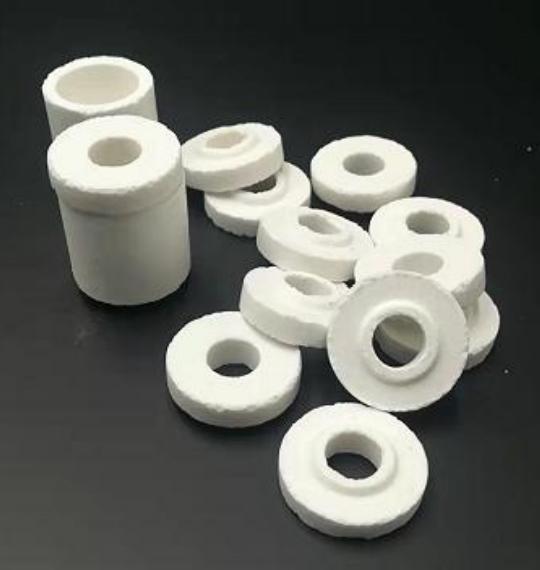
MODEL CS-528 Carbon and Sulfur Analysis CrucibleComposition of crucible and lid: alumina ceramic
|
|
.
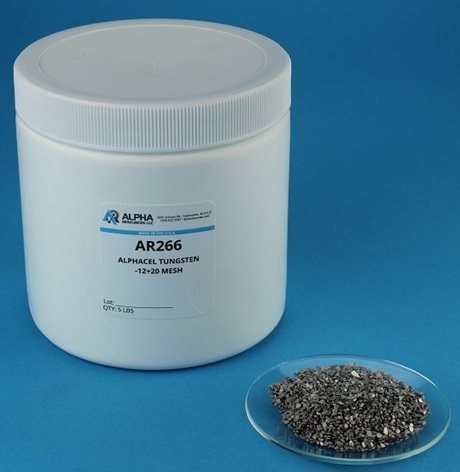
MODEL: AR266 -20-40 Tungsten Mesh Accelerator.
Tungsten > 99.5%
|
|
|
|
.
|

What are crucibles, standards, accelerators, and consumables for Carbon and Sulfur? Crucibles, standards, accelerators, and consumables are fundamental components in the carbon and sulfur analysis process. They ensure complete combustion, accurate measurement, and reliable calibration of the equipment with each use.
⚙️ Elements and consumables for Carbon and Sulfur analyzers
🔹 1. Crucibles (Ceramic Crucibles)
Crucibles are high-temperature-resistant ceramic containers used to hold the sample during combustion in the analyzer’s high-frequency furnace.
-
- They are made from high-purity ceramic (usually alumina and silica).
- They withstand temperatures above 2000°C.
- They do not react with the sample or oxygen, ensuring clean combustion.
- They are disposable, as each analysis requires a new crucible to avoid cross-contamination.
👉 Without the crucible, the sample could not be properly fused, and accurate C and S measurements would not be possible.
🔹 2. Standards
Standards or Certified Reference Materials (CRMs) are reference samples with known concentrations of carbon and sulfur.
They are used to:
-
- Calibrate the analyzer before use
- Verify measurement accuracy
- Adjust the analyzer’s calibration curves
Example: a steel standard with 0.05% C and 0.01% S is used to verify that the instrument measures these values correctly.
👉 They ensure traceability and compliance with international standards (ASTM, ISO, etc.).
🔹 3. Accelerator
The accelerator is a solid substance (usually iron, tungsten, or tin) that is mixed with the sample in the crucible before combustion.
Its function is to increase the melting temperature and oxidation rate, ensuring that all carbon and sulfur in the sample are fully released as gases.
For materials with low thermal conductivity (such as ceramics or minerals), the accelerator is essential for complete and accurate combustion. It is added in small quantities together with the solid sample.
👉 Without the accelerator, results may be lower or incomplete.
🔹 4. Consumables
Consumables are all materials that are used up during each analysis or periodic maintenance, including:
- Ceramic crucibles
- Accelerators (Fe, Sn, W, etc.)
- Filters, tubes, seals, and O-rings
- Calibration standards
- Cleaning paper, brushes, tweezers, and optical protectors
👉 These consumables are essential to maintain accuracy, system cleanliness, and result repeatability.


 You can chat directly with us using our live chat feature.



